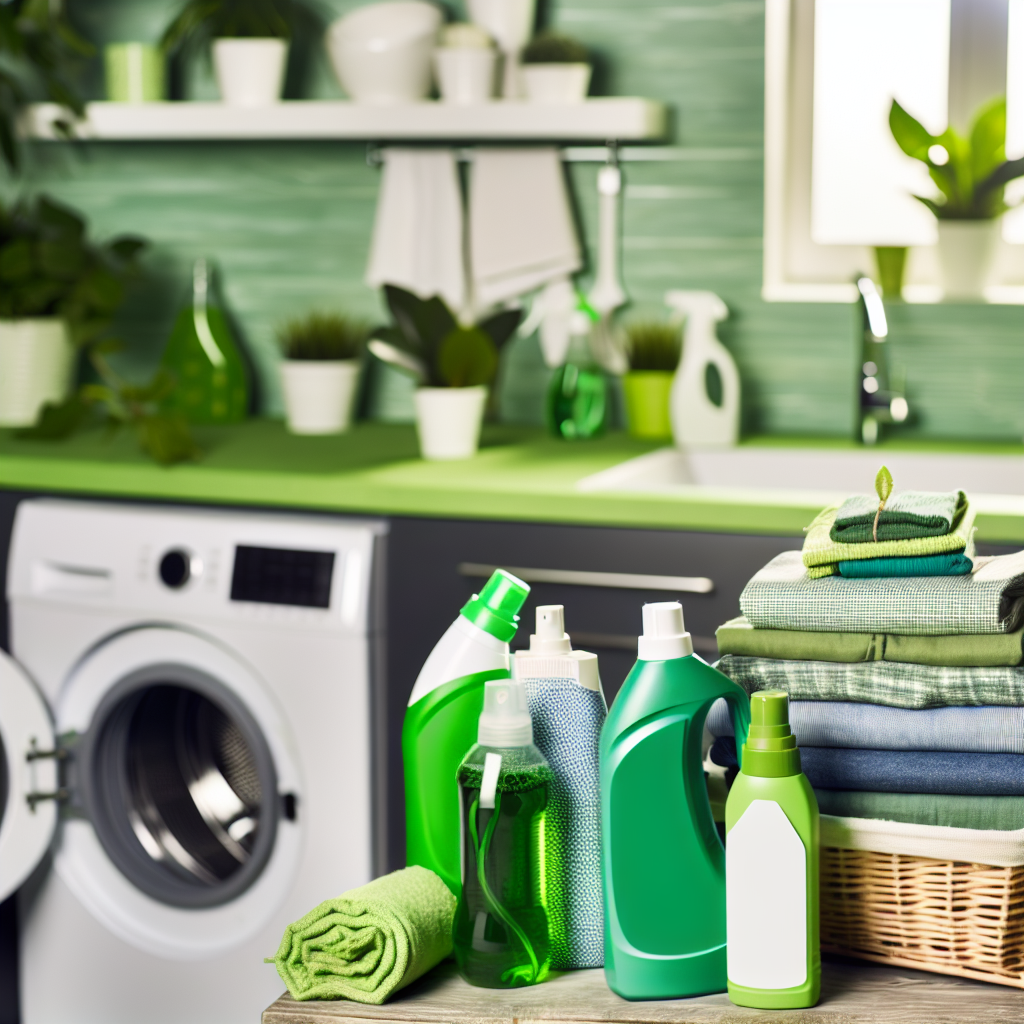
Why Eco-Friendly Care Matters
Traditional laundry methods consume significant water, energy, and chemicals. By adopting sustainable practices, you can maintain excellent towel quality while reducing your environmental footprint and saving money.
Energy-Efficient Washing
Temperature Choices
- Wash in cold or warm water instead of hot (saves 90% of energy used for washing)
- Reserve hot water for sanitizing when truly necessary
- Modern detergents work effectively in cold water
Machine Efficiency
- Run full loads to maximize efficiency (but don't overload)
- Use high-efficiency (HE) washers when possible
- Choose the appropriate cycle length—shorter cycles when suitable
- Maintain your machine: clean filters and check for leaks
Natural Cleaning Products
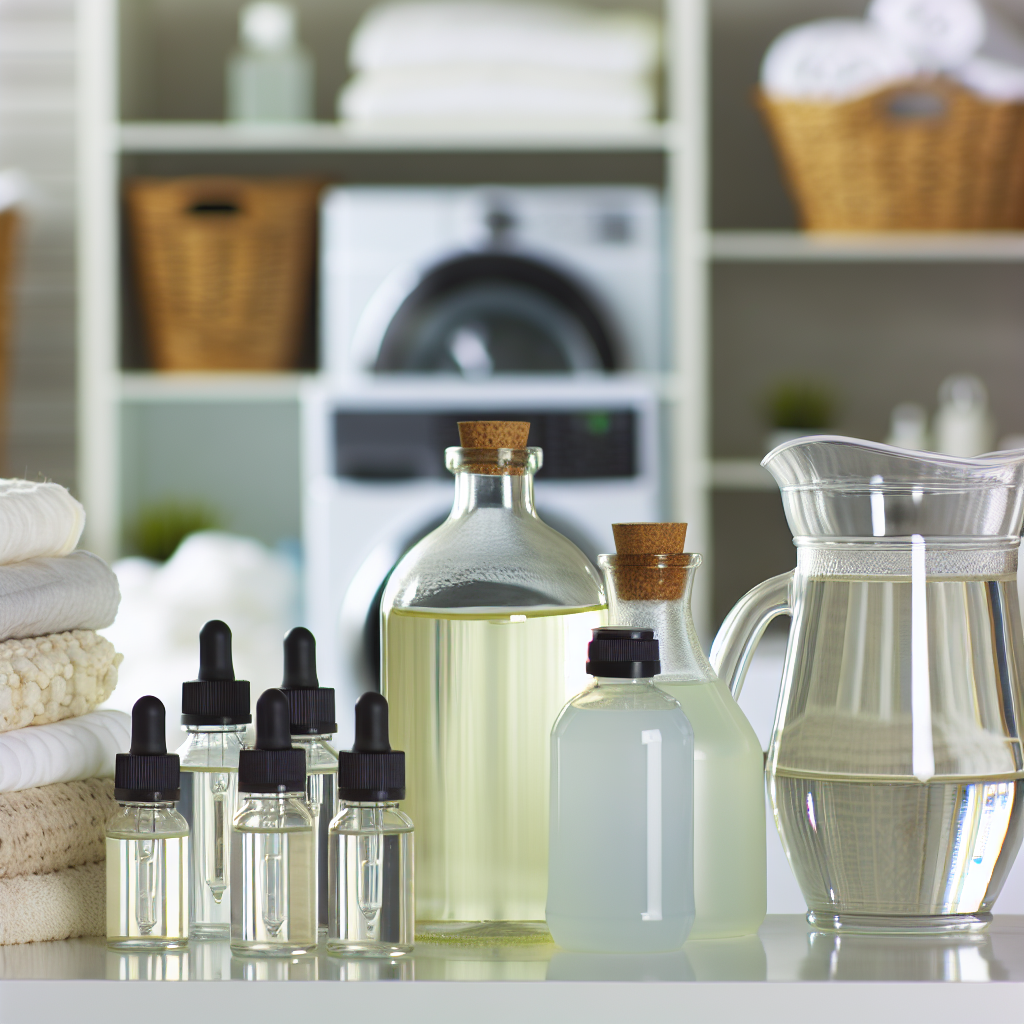
Eco-Friendly Detergents
- Choose plant-based, biodegradable detergents
- Look for products with minimal packaging
- Avoid phosphates, optical brighteners, and synthetic fragrances
- Consider concentrated formulas (less packaging, lower shipping impact)
DIY Natural Solutions
- White Vinegar: Natural fabric softener, deodorizer, and mineral deposit remover
- Baking Soda: Boosts cleaning power, removes odors, gentle whitening
- Castile Soap: Gentle, plant-based cleaning agent
- Lemon Juice: Natural bleaching and freshening for whites
Water Conservation
- Only wash when necessary—towels don't need daily washing
- Fix any leaks promptly
- Use efficient washer settings
- Consider greywater systems for garden use (check local regulations)
- Reuse lightly-soiled hand towels before washing
Sustainable Drying
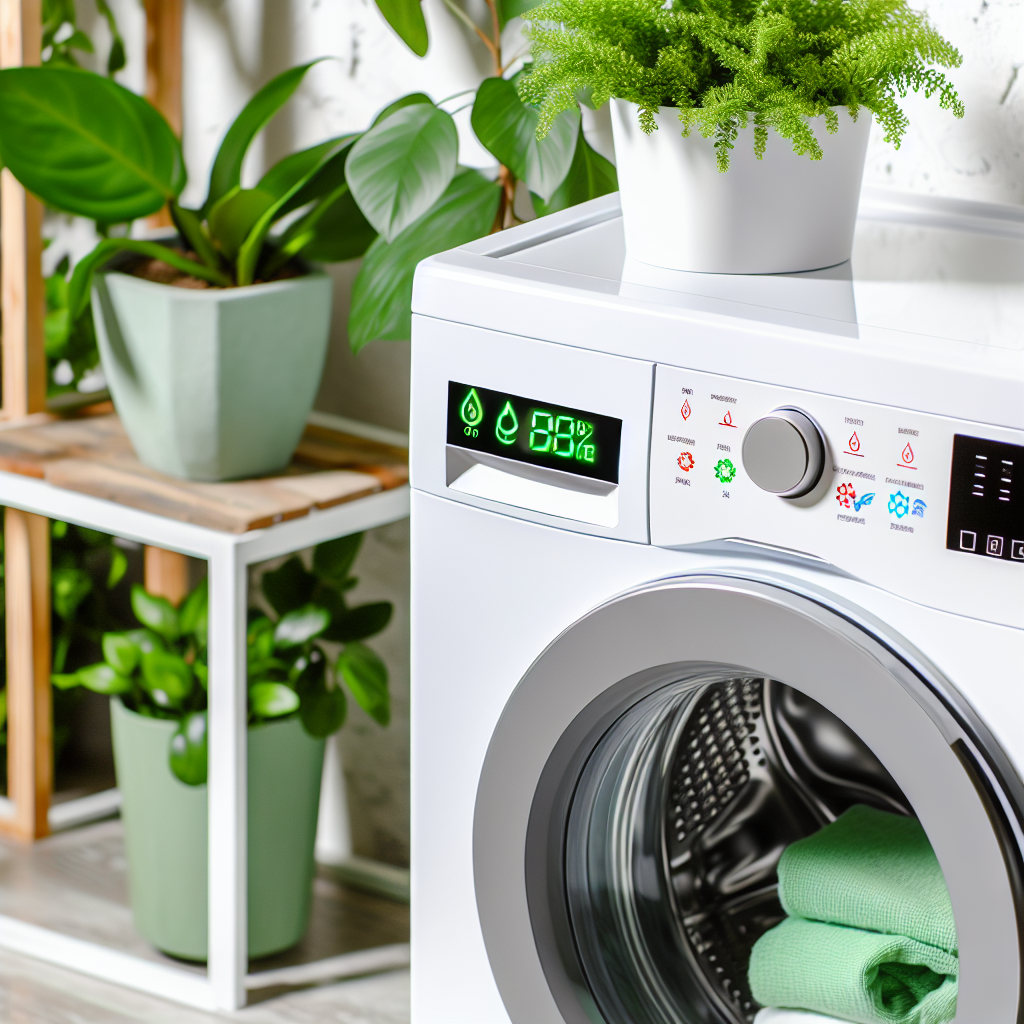
Air Drying Benefits
- Zero energy consumption
- Extends fabric life significantly
- Natural sunlight disinfects and whitens
- Fresh outdoor scent without chemicals
Efficient Tumble Drying
- Clean lint filter before every load (improves efficiency by 30%)
- Use moisture sensor settings instead of timed drying
- Remove items promptly to avoid rewrinkle cycles
- Dry similar fabrics together for even drying
- Consider upgrading to heat-pump dryers (50% less energy)
Sustainable Textiles
Choosing Eco-Friendly Towels
- Organic Cotton: Grown without pesticides, better for soil and water
- Bamboo: Fast-growing, renewable resource (check processing methods)
- Recycled Materials: Repurposed fibers reduce waste
- GOTS Certified: Global Organic Textile Standard ensures sustainability
- Fair Trade: Supports ethical production practices
Extending Towel Lifespan
The most sustainable towel is one you don't need to replace:
- Follow proper care routines to extend life 2-3x
- Rotate towels evenly to prevent premature wear
- Repair minor damage instead of discarding
- Repurpose worn towels as cleaning rags
- Buy quality over quantity—better towels last longer
Reducing Chemical Use
- Use minimum effective detergent amount (often less than package suggests)
- Skip fabric softener entirely (bad for absorbency and environment)
- Avoid chlorine bleach—use oxygen bleach or natural alternatives
- Choose fragrance-free products to reduce chemical exposure
Packaging and Waste Reduction
- Buy concentrated products in recyclable packaging
- Choose refillable container systems when available
- Make your own cleaning solutions to eliminate packaging
- Recycle or properly dispose of empty containers
- Avoid single-use dryer sheets—use reusable wool balls
Carbon Footprint Reduction
A typical household's laundry produces about 480kg of CO2 annually. Reduce this by:
- Washing in cold water (reduces 90% of washing energy)
- Air drying when possible (eliminates drying energy)
- Running full loads efficiently
- Choosing energy-efficient appliances
- Using renewable energy sources if available
Sustainable Purchasing
- Buy towels you'll keep for years, not fast-fashion textiles
- Support brands with transparent sustainability practices
- Look for certifications: GOTS, OEKO-TEX, Fair Trade
- Consider secondhand or upcycled options
- Buy local when possible to reduce transportation emissions