Why Drying Method Matters
How you dry your towels and linens is just as important as how you wash them. The drying process affects texture, absorbency, fiber integrity, and overall lifespan. Choose the wrong method or settings, and even the best washing routine won't prevent stiffness, damage, or premature wear.
Understanding the benefits and drawbacks of each drying method allows you to make informed choices that balance convenience, cost, environmental impact, and textile care.
Air Drying vs. Tumble Drying
☀️ Air Drying
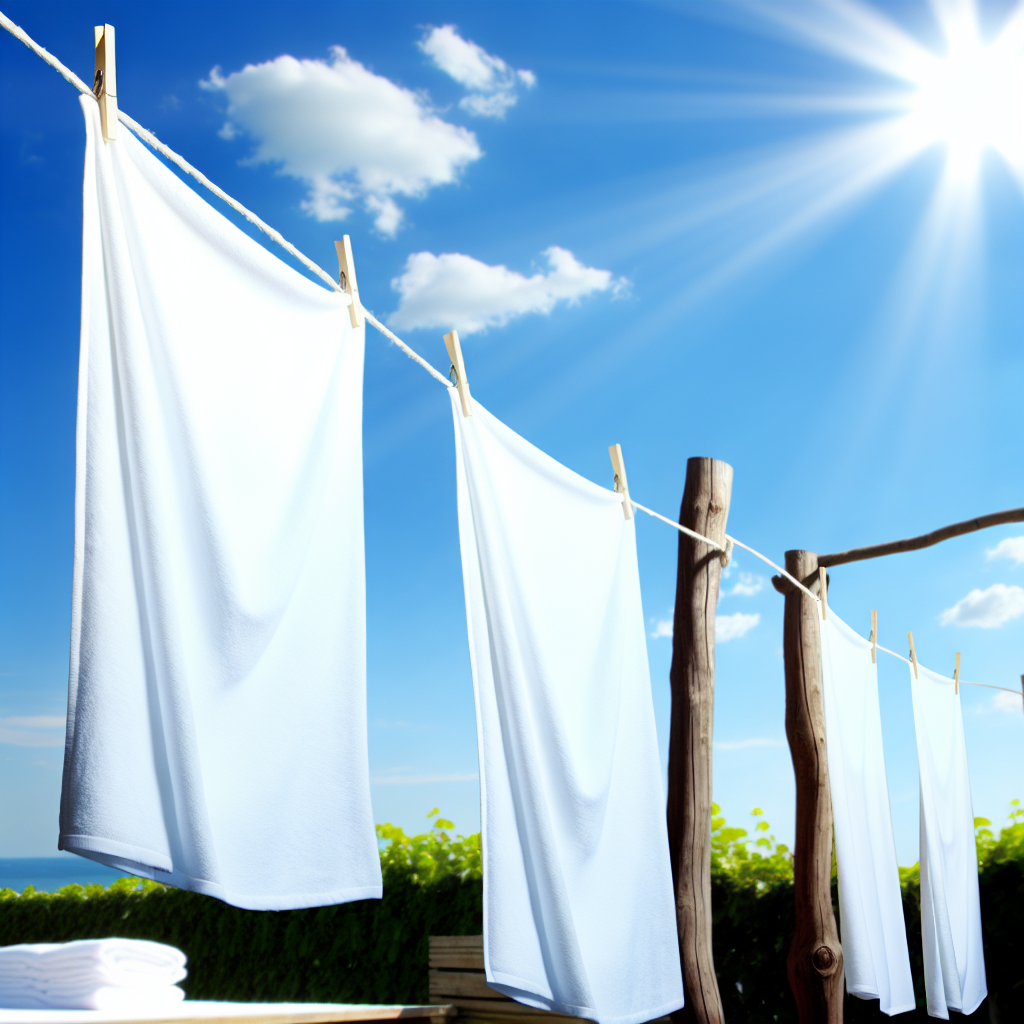
Natural drying using outdoor lines, indoor racks, or hanging methods.
Benefits:
- ✓ Gentlest on fibers—extends textile life significantly
- ✓ Zero energy cost
- ✓ Natural sunlight has antibacterial properties
- ✓ Fresh outdoor scent
- ✓ Environmentally friendly
Drawbacks:
- ✗ Takes 4-8 hours depending on weather
- ✗ Can result in stiff, crunchy towels
- ✗ Weather-dependent outdoors
- ✗ Requires space indoors or outdoors
🔥 Tumble Drying
Machine drying using heated air and tumbling action.
Benefits:
- ✓ Fast—typically 45-90 minutes
- ✓ Produces soft, fluffy towels
- ✓ Weather-independent
- ✓ Convenient and effortless
- ✓ Tumbling fluffs fibers
Drawbacks:
- ✗ Uses significant energy
- ✗ High heat can damage fibers over time
- ✗ Can cause shrinkage
- ✗ Shortens textile lifespan if not done properly
💡 Best of Both Worlds
For optimal results, try the hybrid method: Air dry towels until they're about 80% dry, then finish in the tumble dryer on low heat for 10-15 minutes. This gives you soft towels while minimizing energy use and wear on fibers.
Tumble Dryer Settings Explained
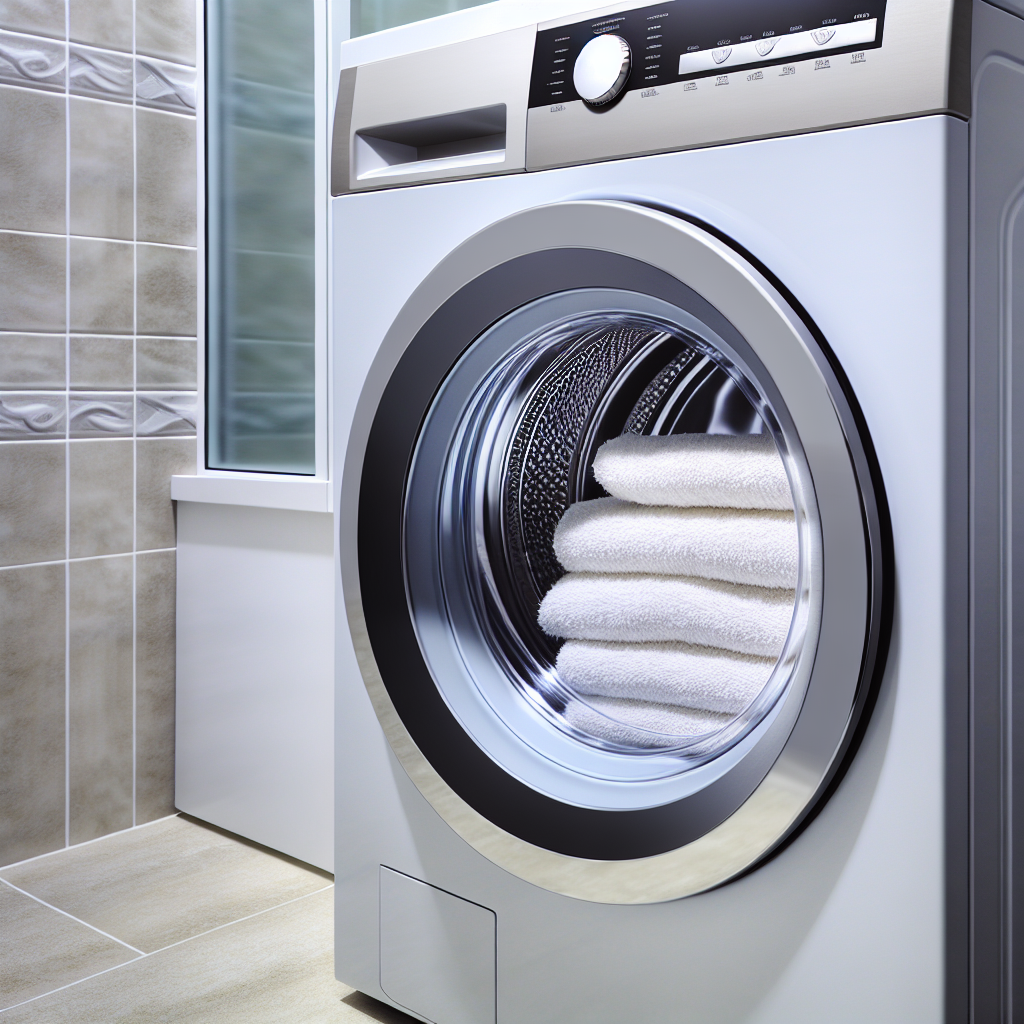
If you choose to tumble dry, selecting the right settings is crucial:
Heat Settings
Low Heat (Delicate)
- Temperature: 50-55°C (120-130°F)
- Best for: Delicate fabrics, microfiber, linens prone to shrinkage
- Drying time: 75-90 minutes
- Benefits: Minimal wear, preserves colors, reduces shrinkage
Medium Heat (Permanent Press)
- Temperature: 60-65°C (140-150°F)
- Best for: Most bath towels, everyday linens, colored items
- Drying time: 50-70 minutes
- Benefits: Balanced between speed and care; recommended default setting
High Heat (Regular/Cotton)
- Temperature: 70-75°C (160-170°F)
- Best for: Heavy white cotton towels, bath mats
- Drying time: 40-60 minutes
- Caution: Use sparingly—shortens fabric life, increases shrinkage risk
Special Cycles
Air Fluff / No Heat
Tumbles without heat. Perfect for fluffing air-dried towels that turned out stiff, or refreshing stored linens. Run for 10-15 minutes.
Sensor Dry
Automatically stops when moisture sensors detect dryness. Prevents over-drying and saves energy. Highly recommended if your dryer has this feature.
Timed Dry
Runs for a set duration regardless of dryness. Less efficient but useful for specific situations.
Step-by-Step Tumble Drying Guide
- Shake out towels: Before loading, shake each towel vigorously to separate fibers and reduce wrinkles
- Don't overload: Fill dryer only 2/3 full to allow proper tumbling and air circulation
- Add dryer balls: Wool or rubber dryer balls help separate towels and speed drying
- Select medium heat: Unless you have specific reasons otherwise
- Use sensor dry: Or check towels at 40-minute mark to avoid over-drying
- Remove promptly: Take out immediately when done to prevent wrinkles and mustiness
- Fold or hang: Put away while still slightly warm for easier folding
⚠️ Never Use Dryer Sheets
Like fabric softener in the wash, dryer sheets coat towel fibers with waxy chemicals that dramatically reduce absorbency. If you want scent, add a few drops of essential oil to wool dryer balls instead.
Air Drying Techniques
Outdoor Line Drying
- Best conditions: Sunny, breezy days with low humidity
- Setup: Hang towels with good spacing for air circulation
- Tip: Shake towels vigorously before hanging to minimize stiffness
- Time: 3-6 hours depending on weather
- To soften: Once dry, tumble for 10 minutes on no-heat/air-fluff setting
Indoor Drying Racks
- Best for: Small spaces, apartments, wet weather
- Location: Well-ventilated area, near (not touching) radiators in winter
- Spacing: Leave gaps between towels for air flow
- Time: 6-12 hours depending on room temperature and humidity
- Tip: Use a fan to speed drying and prevent musty smell
Heated Towel Rails
- Best for: Daily-use towels, bathroom towels between washes
- Benefits: Keeps towels dry and warm, prevents mildew
- Caution: Not for heavy-duty drying; better for maintaining dryness
- Energy: More efficient than tumble drying for single towels
Preventing and Fixing Stiff Towels
Air-dried towels often feel stiff and scratchy. Here's why and how to prevent it:
Why Towels Get Stiff
During air drying, cotton fibers dry in a straight, rigid position. Hard water minerals can also deposit on fibers, creating crunchiness. Tumble drying prevents this by constantly moving and fluffing fibers as they dry.
Prevention Methods
- Shake towels vigorously (20-30 times) before hanging
- Shake again midway through drying
- Use white vinegar in the rinse cycle to soften water
- Dry on windier days when possible
- Don't overdry—slight dampness is fine
Fixing Already-Stiff Towels
- Tumble dry on air-fluff (no heat) for 10-15 minutes
- Vigorously rub towel between your hands to break up fibers
- Rewash with vinegar rinse, then tumble dry briefly
Seasonal Drying Considerations
Summer
Ideal for outdoor drying. UV rays naturally disinfect and brighten white towels. Dry in direct sunlight for whites, shade for colors to prevent fading.
Winter
Indoor drying takes longer due to lower temperatures and higher humidity. Tumble drying becomes more practical. If air drying indoors, use dehumidifiers to prevent mustiness.
Rainy/Humid Weather
Avoid outdoor drying. If using indoor racks, ensure excellent ventilation or consider tumble drying to prevent mildew development.
Energy-Efficient Drying Tips
- Clean lint filter before every load—improves efficiency by up to 30%
- Do consecutive loads while dryer is warm
- Use moisture sensor feature instead of timed drying
- Remove items promptly to avoid needing re-fluffing cycles
- Consider upgrading to heat-pump dryers (use 50% less energy)
- Spin towels twice in washer to remove more water before drying