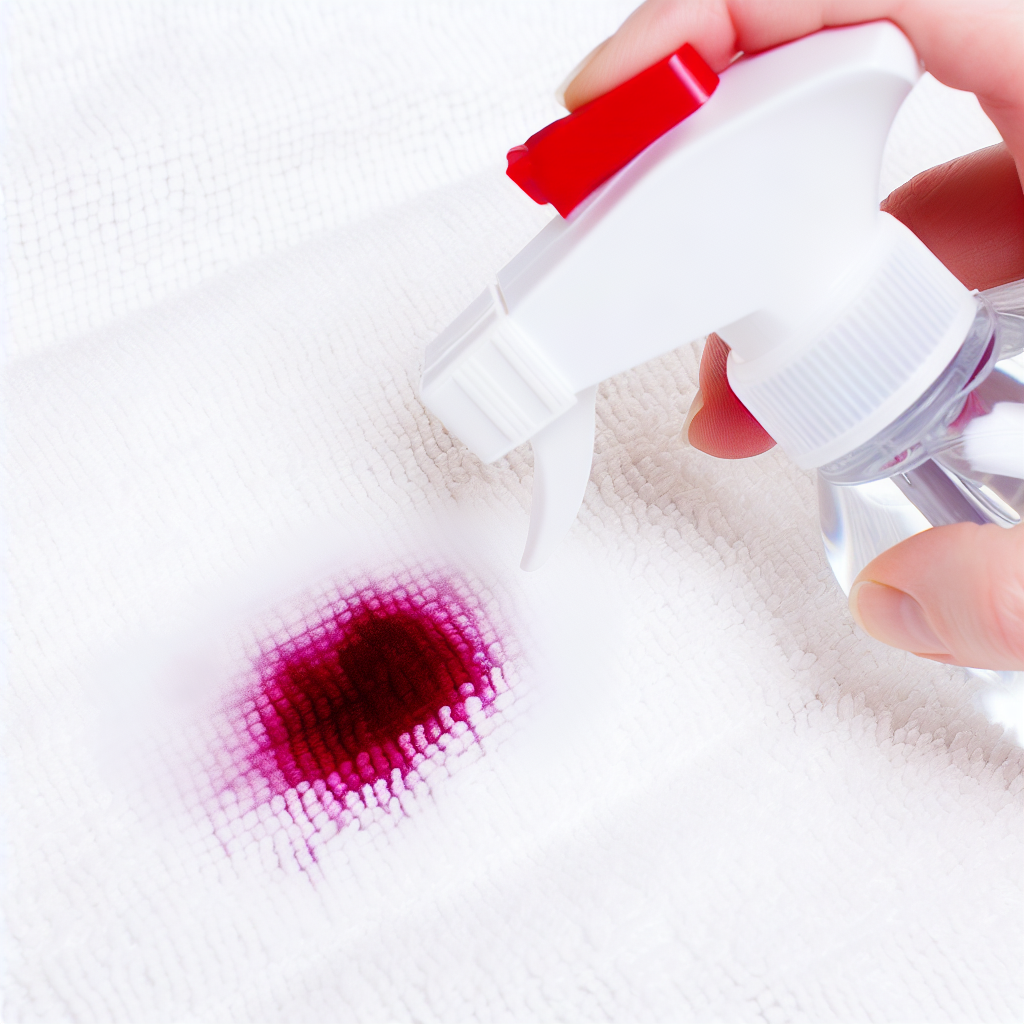
Quick Action Principles
⚡ Act Fast: The Golden Rules
- Blot, don't rub: Rubbing spreads the stain and pushes it deeper into fibers
- Work from outside in: Prevents the stain from spreading outward
- Cold water first: Hot water can set protein-based stains permanently
- Test solutions: Always test on a hidden area first to check for color damage
- Be patient: Multiple treatments may be needed for stubborn stains
Essential Stain-Fighting Kit
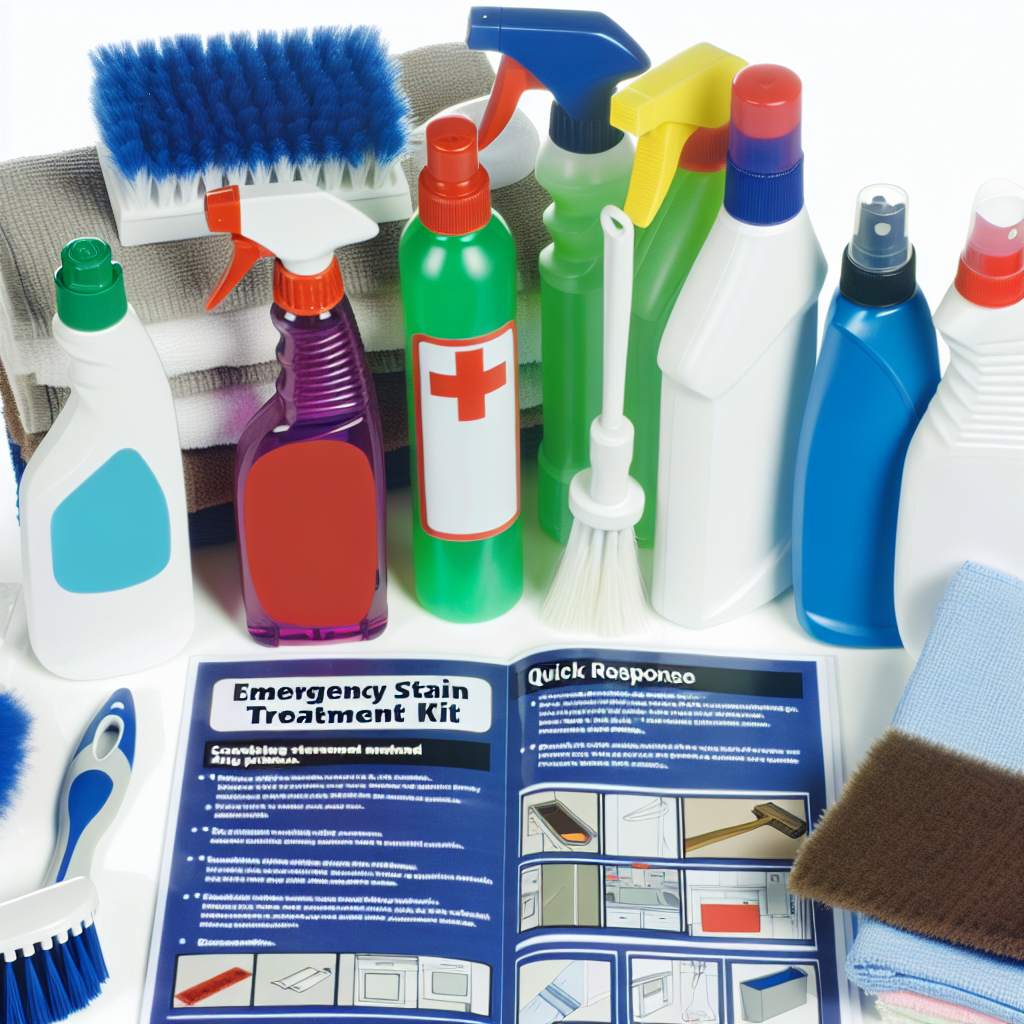
- White vinegar: Natural acid for many stain types
- Baking soda: Gentle abrasive and deodorizer
- Hydrogen peroxide (3%): Excellent for organic stains on white linens
- Dish soap: Cuts through oils and greases
- Cold water: Your first line of defense
- Clean white cloths: For blotting without color transfer
- Soft brush: For gentle scrubbing if needed
Common Stain Solutions
Blood Stains
Act immediately—dried blood is much harder to remove.
- Rinse with cold water from the back of the stain (never hot—it sets blood)
- Make a paste of salt and cold water; apply to stain
- Let sit 15 minutes, rinse with cold water
- If stain persists, apply hydrogen peroxide directly (whites only)
- For colors, use enzyme-based stain remover
- Wash in cold water as usual
Makeup & Cosmetics
Foundation, lipstick, and other oil-based products.
- Blot excess with clean cloth—don't rub
- Apply dish soap directly to dry stain
- Gently work it in with fingers or soft brush
- Rinse with warm water
- If needed, repeat with white vinegar solution (1:1 with water)
- Wash normally
Oil & Grease
Cooking oils, body oils, or petroleum products.
- Blot any excess oil with paper towel
- Sprinkle baking soda or cornstarch on stain to absorb oil
- Let sit 15-30 minutes
- Brush off powder
- Apply dish soap directly to stain
- Work in gently, let sit 5 minutes
- Rinse with hottest water safe for fabric
- Wash as usual with extra detergent
Wine & Colored Beverages
Red wine, coffee, tea, juice.
- Blot immediately—do not let dry
- Flush with cold water from back of stain
- Apply white wine or vodka to red wine stains (neutralizes tannins)
- Alternatively, cover stain with salt to absorb liquid
- Create paste: baking soda + water; apply to stain
- Let sit 30 minutes
- Rinse thoroughly
- Wash with enzyme detergent
Mildew & Mold
Black or green spots from dampness.
- Take item outside to brush off loose mold (prevents spore spread indoors)
- Soak white towels in solution: 1 cup bleach per gallon hot water for 30 min
- For colored towels: Use oxygen bleach or white vinegar solution
- Scrub gently with brush if needed
- Wash in hottest water safe for fabric
- Dry in direct sunlight if possible (UV kills remaining spores)
- If smell persists, rewash with baking soda
Ink & Dye
Pen marks, hair dye, fabric dye transfer.
- Place stain face-down on clean white cloth
- Dab back of stain with rubbing alcohol using cotton ball
- Stain will transfer to cloth beneath—move to clean spot frequently
- Continue until no more ink transfers
- Rinse with cold water
- Apply liquid laundry detergent directly
- Let sit 5 minutes, wash normally
Yellowing (Aging Stains)
General yellowing of white towels over time.
- Soak towels in hot water with 1/2 cup baking soda for 1 hour
- Drain and wring out
- Make solution: 1/4 cup hydrogen peroxide + 1/4 cup lemon juice in bucket of hot water
- Soak towels for 30-60 minutes
- Wash in hot water with normal detergent
- Dry in direct sunlight (natural bleaching effect)
- Repeat if needed for severe yellowing
Natural Stain Removers
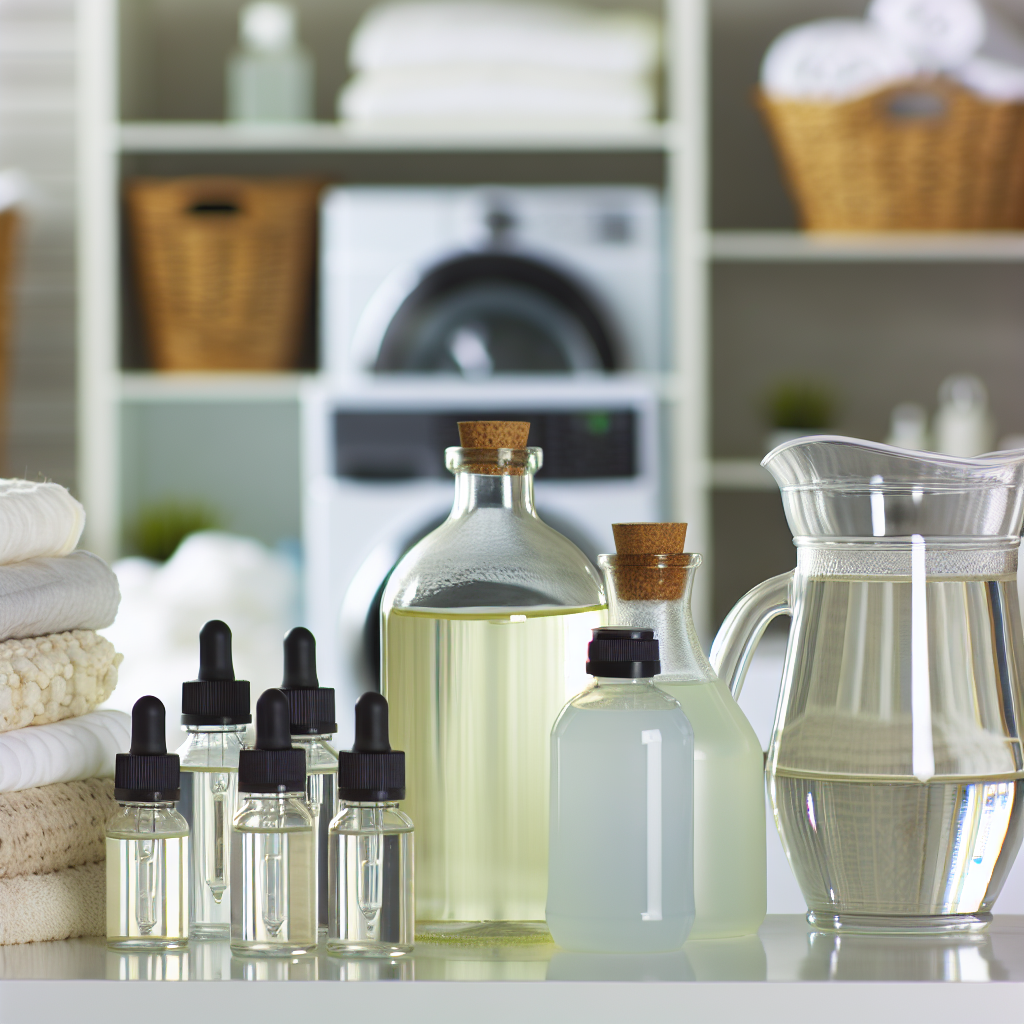
White Vinegar
- Breaks down mineral deposits and soap residue
- Natural fabric softener
- Excellent for odor removal
- Safe for all colors
Baking Soda
- Gentle abrasive for scrubbing
- Absorbs oils and odors
- Boosts detergent effectiveness
- Safe for septic systems
Lemon Juice
- Natural bleaching agent for whites
- Fresh scent
- Antibacterial properties
- Works best with sunlight
Hydrogen Peroxide
- Safe bleach alternative for whites
- Effective on organic stains
- Test on colors first (may lighten)
- Use 3% solution only
💡 Pre-Treatment Success Tips
- Always pre-treat stains before washing—washing can set untreated stains
- Don't put stained items in the dryer until stain is completely gone—heat permanently sets stains
- For tough stains, let pre-treatment sit for 30 minutes to several hours
- Repeat treatments as needed—some stains require multiple attempts
Prevention Strategies
- Use face towels for makeup removal, not your best bath towels
- Designate specific towels for hair dye or other staining activities
- Rinse towels immediately after exposure to staining substances
- Keep stain removal kit easily accessible for quick action
- Teach household members to report stains immediately
When to Give Up
Sometimes, despite best efforts, stains won't budge:
- If you've tried 3-4 different methods without improvement
- If the towel's fabric is damaged from treatment attempts
- If the stain has been heat-set through drying
- If the cost/effort exceeds the towel's value
Consider repurposing permanently stained towels as cleaning rags, pet towels, or garage/workshop towels rather than discarding them entirely.